
Hello everyone! We are a manufacturer with many years of experience in coating production and construction. Today we would like to talk to you about Fluorocarbon Paint - this increasingly popular "protective guard" in outdoor steel structures. If you’ve worked on construction sites, bridges or coastal projects, you may be familiar with it. Why is fluorocarbon paint so popular? Simply put, it has strong weather resistance and long anti-corrosion life, and is especially suitable for environments exposed to wind, sun, humid and foggy conditions. But good paint alone is not enough, the key is how to use it! Today, we will share two commonly used coating schemes for fluorocarbon paint to help you improve the utilization rate of topcoat, avoid waste, and maximize the protective effect.
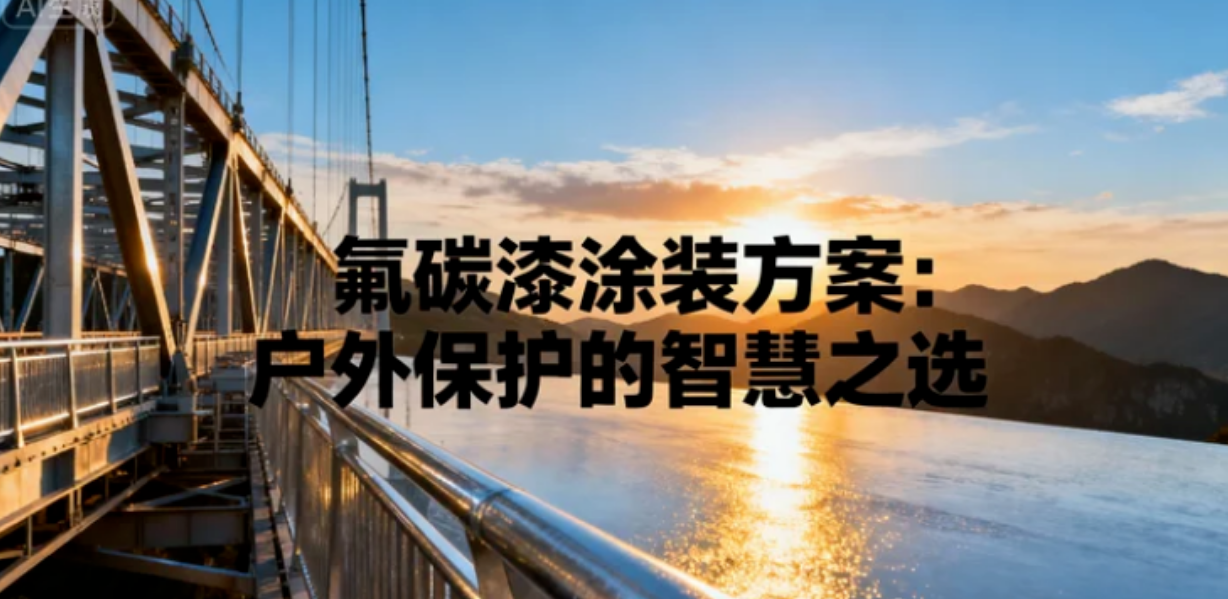
Why is fluorocarbon paint the "patron saint" of outdoor steel structures?Fluorocarbon paint is not an ordinary paint. It is like putting a "protective coat" on the steel structure, which can resist the erosion of ultraviolet rays, rain, and salt spray. Especially in seaside or industrial areas, steel components are prone to rust and corrosion, and the weather resistance of fluorocarbon paint makes it the first choice. But be careful, topcoat alone won’t do! It needs to be used in conjunction with primer and intermediate paint to achieve maximum value.
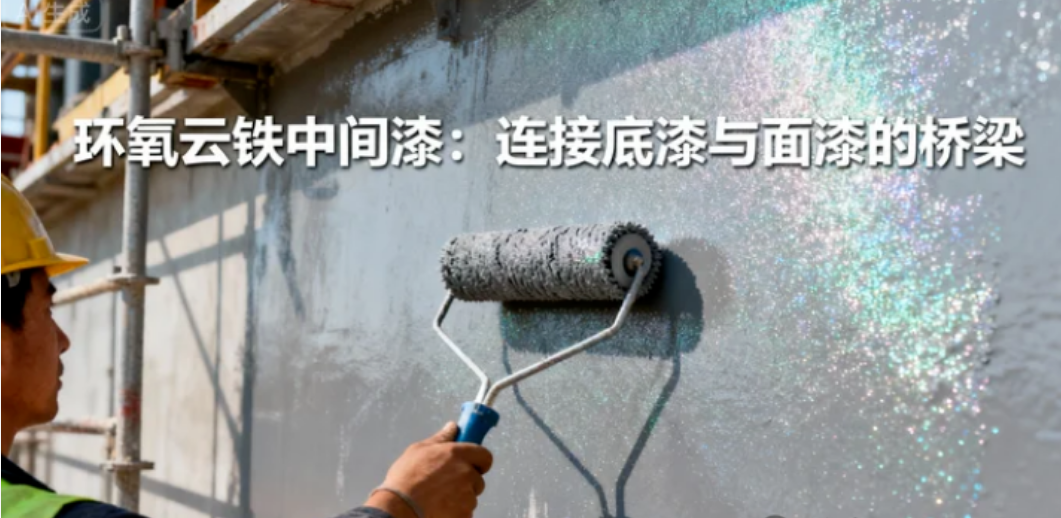
Below, we will introduce two efficient supporting solutions based on actual cases.
Option 1: Epoxy zinc-rich primer + epoxy mica iron intermediate paint + fluorocarbon metallic paintThis solution is like building a "triple protective shield" for steel structures and is suitable for buildings in most atmospheric environments, such as stadiums, high-speed guardrails or large steel frames. Why does it match so well?
Listen to me carefully.
Epoxy zinc-rich primer: It is the first line of defense and is rich in zinc powder that prevents metal substrates from rusting through a "cathodic protection" mechanism. Imagine that zinc powder is like countless little guards, actively sacrificing themselves to protect steel.
Moreover, its paint film is smooth and does not require high surface treatment of the substrate, making it more convenient to construct.
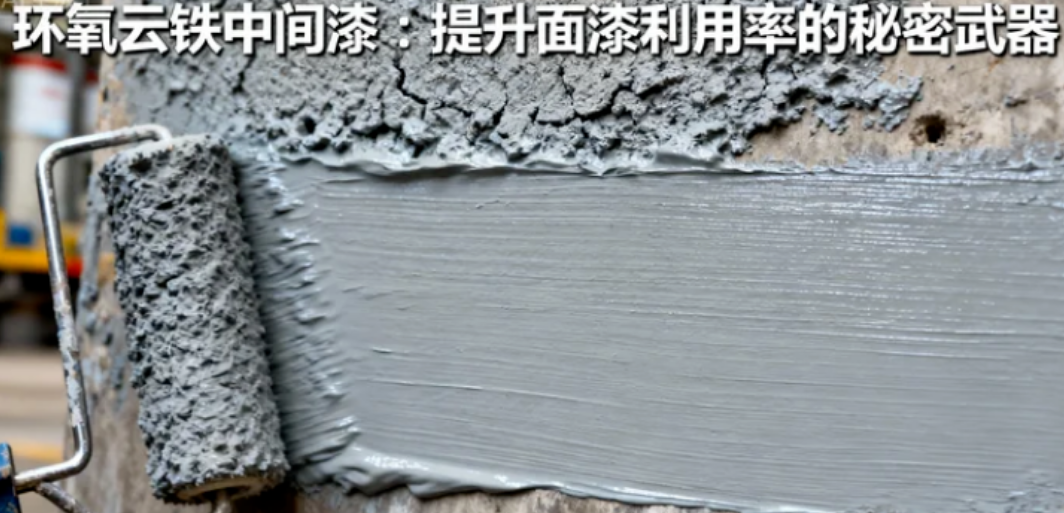
Epoxy mica iron intermediate paint: The function of the intermediate paint is to "fill and reinforce". It fills in tiny imperfections in the primer, enhances the overall thickness, and further isolates moisture and oxygen. The cloud iron component can also reflect ultraviolet rays and lay a good foundation for the topcoat.
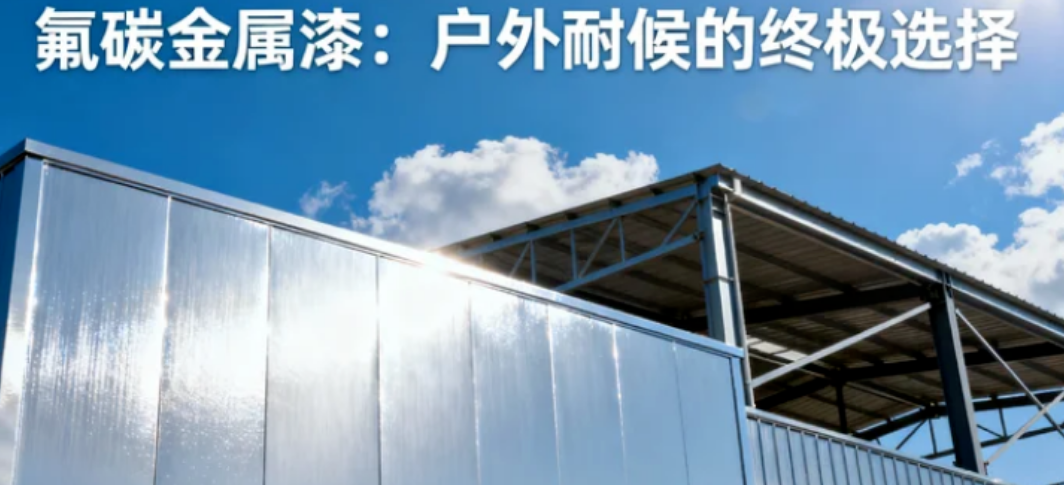
Fluorocarbon metallic paint: The final topcoat is the "appearance-responsible", which not only has a long-lasting color, but also can withstand harsh weather. The metallic texture makes it look more advanced and improves corrosion resistance. This combination allows for a high utilization rate of the topcoat, because the primer and intermediate paint have already been laid, and the topcoat only needs to be applied thinly to achieve the effect, which saves material and is efficient.
The advantages of this solution are wide applicability, simple construction and controllable cost. If you are doing general outdoor projects, such as urban buildings or guardrails, you are right to choose it!
Option 2: Inorganic zinc-rich primer + epoxy mica iron intermediate paint + fluorocarbon topcoatIf the environment is more severe, such as a bridge, offshore platform or chemical plant, this solution is "upgraded protection". It pays more attention to chemical resistance and long-term stability.
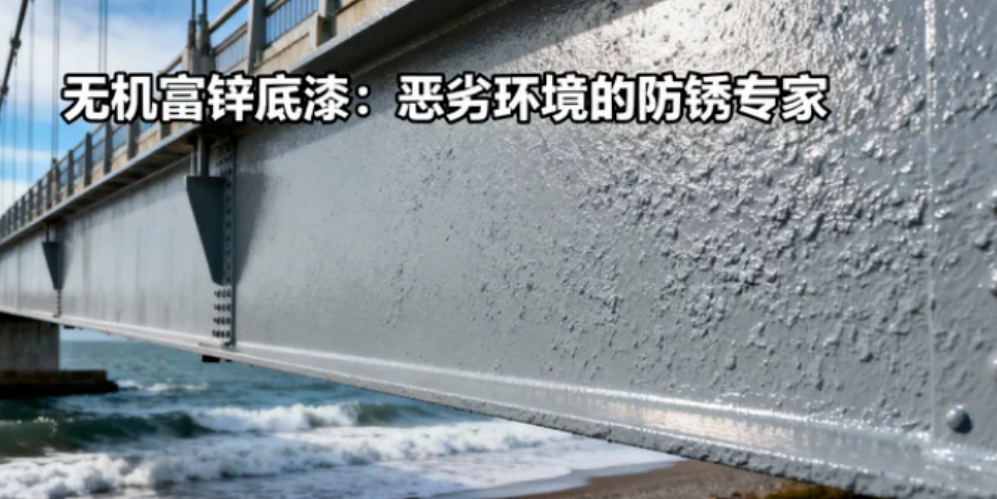
Inorganic zinc-rich primer: This primer has strong anti-rust ability and can effectively curb electrochemical corrosion. It is especially suitable for places with high humidity or salt spray. However, its paint film surface is not so smooth and requires additional treatment.
Epoxy Mica Iron Intermediate Coat: Again, the intermediate coat plays the role of "smoothing master" here, filling in the rough surface of the primer to form an even layer and preventing the topcoat from directly contacting defective spots. In this way, the adhesion of the fluorocarbon topcoat is stronger and the utilization rate is naturally improved - because the topcoat does not have to "effort" to cover uneven areas, and a thin coating can cover it evenly.
Fluorocarbon topcoat: This is where the topcoat comes into play for ultimate weather resistance, so the color won’t fade for years. Combined with the first two layers, the overall anti-corrosion life can reach more than 15 years, which is very suitable for projects with high requirements.
Drawing prompt: Realistic picture, an offshore platform is coated with red fluorocarbon topcoat, which is still bright under the splash of waves. The title is "Fluorocarbon Topcoat: Durable Protection in Harsh Environments".
Although the construction of this solution is slightly complicated, the topcoat utilization rate is high because the intermediate paint reduces waste and is more economical in the long run. If you are doing projects in coastal or industrial areas, I highly recommend giving it a try!
How to improve the utilization rate of fluorocarbon topcoat? Tips to shareAs a manufacturer, we often see users wasting topcoat due to improper matching. Remember these points:
Substrate preparation is key: no matter which option you choose, make sure the steel surface is clean and rust-free; otherwise, even the best paint will be in vain.
The matching must be scientific: the primer and intermediate paint cannot be omitted - they are like the "foundation", and the topcoat is the "decoration", both of which are indispensable.
Control the construction environment: Avoid painting in rainy days or high temperatures, otherwise the adhesion will be affected.
The coating of fluorocarbon paint is not a mystery, but a science. Choosing the right solution can reduce the amount of topcoat by 10%-20% and extend the service life.

Адрес компании:
Промышленный парк ГУ Оцзятунь, город оси G, город Чж У, Вэй Фанг, провинция С-Шакэ, Китай.
Рыночное сотрудничество:
Менеджер Сюань: +86 18563627592.


Авторские права © 2025 Weifang Xingyuan Paint Industry Co., Ltd.
Карта сайтаЭтот веб-сайт использует файлы cookie, чтобы обеспечить вам максимально эффективное использование нашего веб-сайта.

 English
 Español
 العربية



 WhatsApp
 телефон
 почтовый ящик
Комментарий
(0)